(850) 842.2424

Why the Transition to Civilian Life Can Feel Hard Even After You Are Home
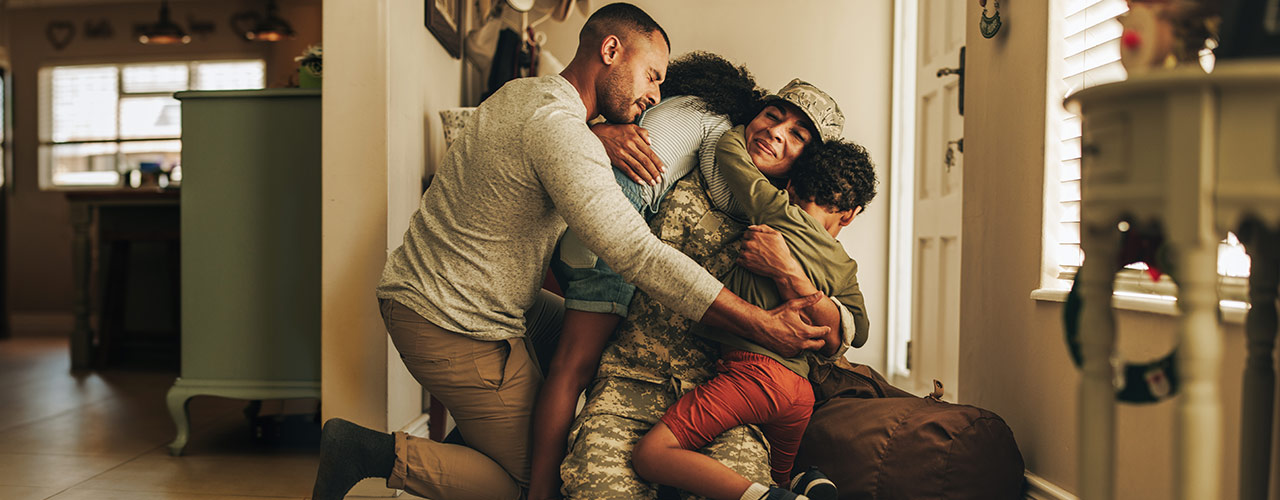
Veteran mental health after service can be affected by changes in routine, identity and relationships. Coming home or completing military service can bring relief, pride and a sense of possibility. It can also bring unexpected questions: “What comes next? Where do I fit? Why does everyday life feel harder to navigate than I expected?” For some veterans, the transition continues well after the official separation date. Understanding what can make this chapter challenging may help you approach it with more patience and support.
Military service can shape your daily routines, relationships, identity and sense of purpose. Civilian life may bring a different pace, fewer shared expectations and new responsibilities. The transition can also mean adjusting to changes in structure, community and familiar systems. If that adjustment feels difficult, it does not mean you are failing at reintegration after deployment or service. You may simply benefit from support as you navigate this change. That’s where our team of licensed therapists can help.
What Can Affect Veteran Mental Health After Service?
Military life often provides clear routines, defined responsibilities and a community shaped by shared experiences. Leaving service can change several of those things at once. Adjusting to those changes may bring stress, anxiety or low mood. You may be starting a new job, returning to school, moving or figuring out how your role at home has changed.
Support for
Military
Reintegration
is here.
Even welcome changes can take energy. A veteran may miss parts of military life while also feeling ready for what comes next. Pride in service can exist alongside grief, uncertainty or frustration. These feelings do not cancel one another out. They can be part of making sense of a significant life transition.
The adjustment can also be hard to explain to people who have not shared the experience. Friends and family may be glad you are home and assume the transition is complete. Meanwhile, you may still be figuring out new routines, expectations and relationships. There is no single timeline for that process.
Changes in Identity, Routine and Purpose

After leaving the military, some veterans find themselves asking how service fits into their sense of identity. Military roles can offer a strong connection to a mission and a team. Civilian life may feel less structured, especially while you are deciding what work, relationships or goals matter to you in this next chapter.
You do not have to leave your military identity behind. This transition can be a chance to consider which values and strengths you want to carry forward and how to use them in ways that fit civilian life. Discipline, adaptability, leadership and commitment may remain important parts of who you are even as your daily responsibilities change.
Your routine may shift, too. Without the same schedule or shared expectations, it may take time to find a rhythm that feels steady. You might be balancing job searches, family responsibilities, health care appointments or education while also making room for rest and relationships. Building a workable routine often happens through small adjustments rather than one perfect plan.
How the Transition Can Affect Relationships
Partners and family members experience military life and time apart in different ways. While one person is serving, other family members may take on new responsibilities and establish routines of their own. Reuniting after deployment or adjusting to civilian life after service can mean learning how to share decisions and household responsibilities again.
Reconnecting as a family takes time. It can bring closeness and joy, as well as misunderstandings or a need for space. Conversations about expectations, parenting, work and future plans may feel different than before. If you and your partner are working to reconnect, couples counseling can give you space to talk through these changes and set goals together.
Family members do not need to have identical reactions for the transition to go well. Making room for each person’s perspective can help create routines and expectations that work for your family today.
When Might Counseling Be Helpful?
You do not have to wait for a crisis or have a particular diagnosis in mind to talk with a mental health professional. Counseling may be useful if the transition is affecting your sleep, mood, relationships, concentration or ability to manage everyday responsibilities. It can also provide space to consider questions about identity, purpose or what you want the next chapter to look like.
Experiencing trauma-related concerns?
PTSD Therapy
Some veterans may be seeking support for trauma, anxiety, depression or operational stress. Others may want help adjusting to changes in routine, communication or identity. Similar experiences can have different causes, so a licensed clinician can help you explore what you are experiencing and build practical tools for this transition.
In counseling, you and your therapist can identify what feels most important to address. That might include developing routines, communicating with loved ones, managing stress, processing difficult experiences or setting goals. The work should reflect your priorities and move at a pace that feels appropriate to you.
Support for Veterans in Northwest Florida
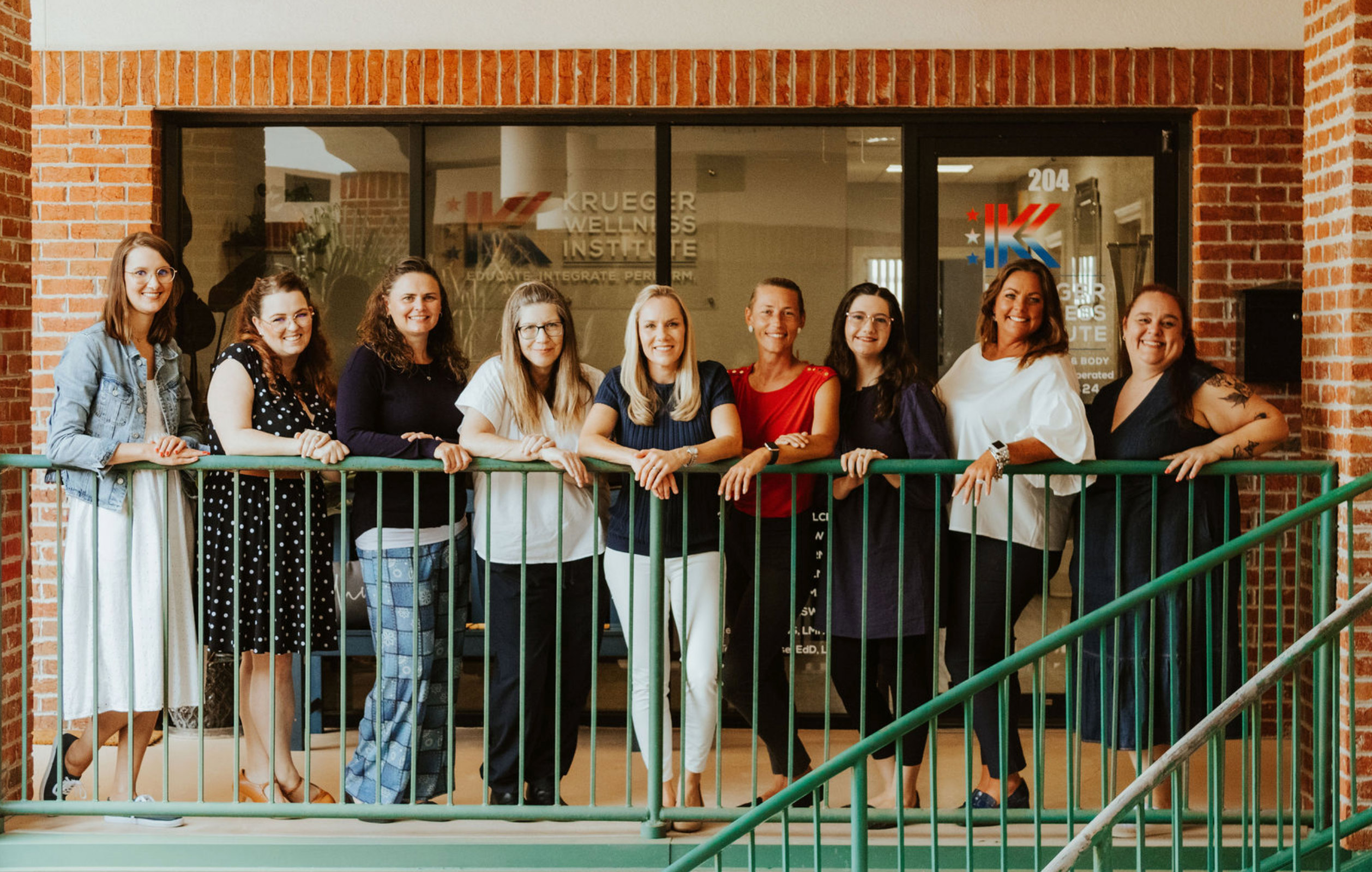
At Krueger Wellness Institute, our veteran-owned practice understands that military service and the transition afterward can affect each person differently. Dr. Tonice Krueger is an Air Force veteran and military spouse who grew up in a family with an active duty service member. Our clinicians offer individualized counseling for adults and couples, with in-person appointments in Niceville and secure telehealth for eligible clients across Florida.
If you are looking for veteran mental health support after service, you do not have to define the whole problem before reaching out. Counseling can help you make sense of what has changed, reconnect with what matters to you and build a next chapter that reflects your strengths and goals.